
How to Effectively Use Data to Enhance Your Running Performance


Understanding the Role of Data in Running
In today's technology-driven world, data plays a crucial role in enhancing athletic performance, including running. By effectively utilizing data, runners can make informed decisions about their training routines, monitor progress, and achieve their goals more efficiently. Whether you're a beginner or a seasoned marathoner, understanding how to leverage data can transform your running experience.

Tracking Your Running Metrics
The first step to using data effectively is tracking essential running metrics. Modern fitness trackers and apps provide a wealth of information such as distance, pace, heart rate, and calories burned. By regularly monitoring these metrics, you can gain insights into your performance and identify areas for improvement. For example, observing your pace over time can help you understand how to manage energy during long runs.
It’s also beneficial to track metrics such as cadence and stride length. These can influence your running efficiency and reduce the risk of injury. By making slight adjustments based on data feedback, you can enhance your overall running form.
Analyzing Your Performance Patterns
Once you've gathered data from your runs, the next step is to analyze it. Look for patterns and trends that can highlight strengths and weaknesses. For instance, if you notice your pace consistently drops during the latter part of your runs, you might need to focus on endurance training. Use graphs and charts provided by running apps to visualize your progress over weeks and months.
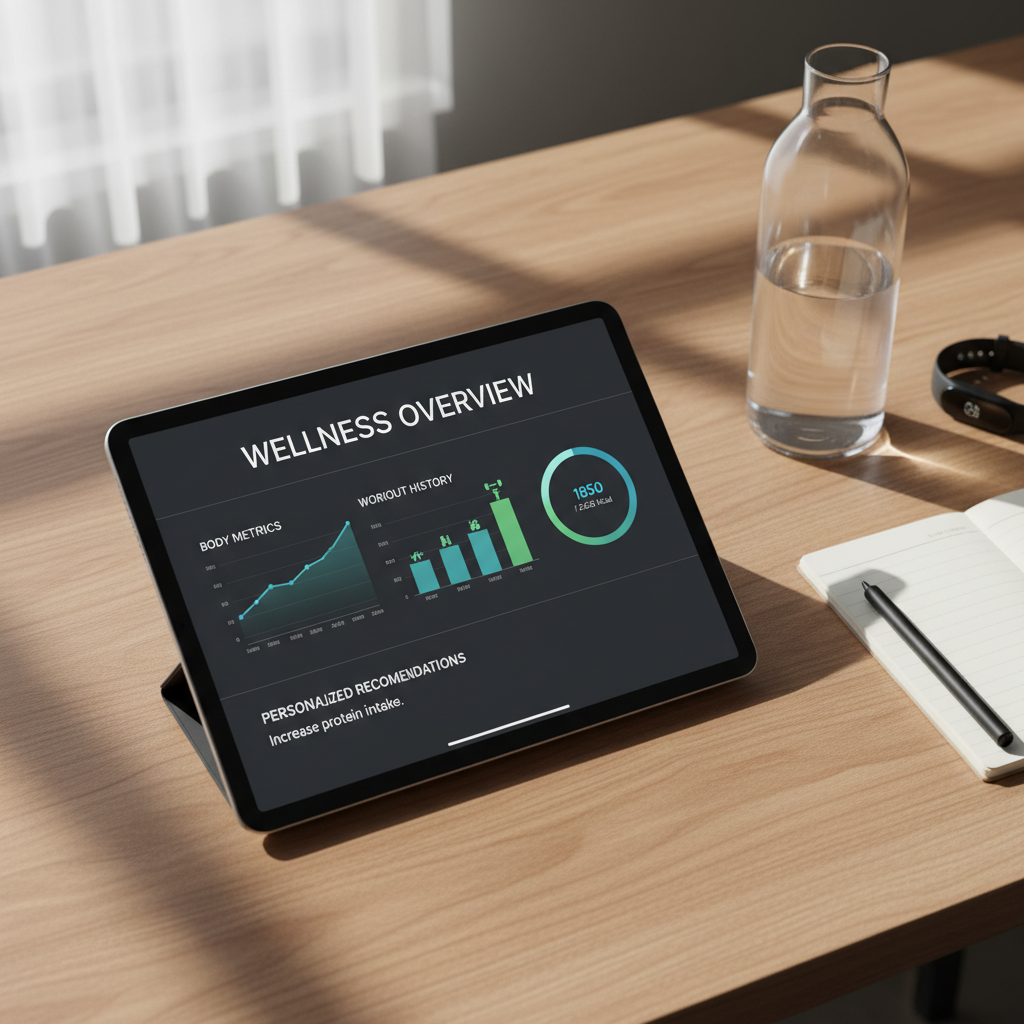
Analyzing your performance also involves setting realistic goals. Use historical data to set benchmarks and track progress. This approach ensures that your goals are achievable, helping you stay motivated and avoid burnout.
Utilizing Heart Rate Data
Heart rate data is a powerful tool for runners. It helps you understand how hard your body is working and can guide training intensity. By training in different heart rate zones, you can improve cardiovascular fitness and endurance. For example, running in the aerobic zone is effective for building stamina, while the anaerobic zone is better for speed training.
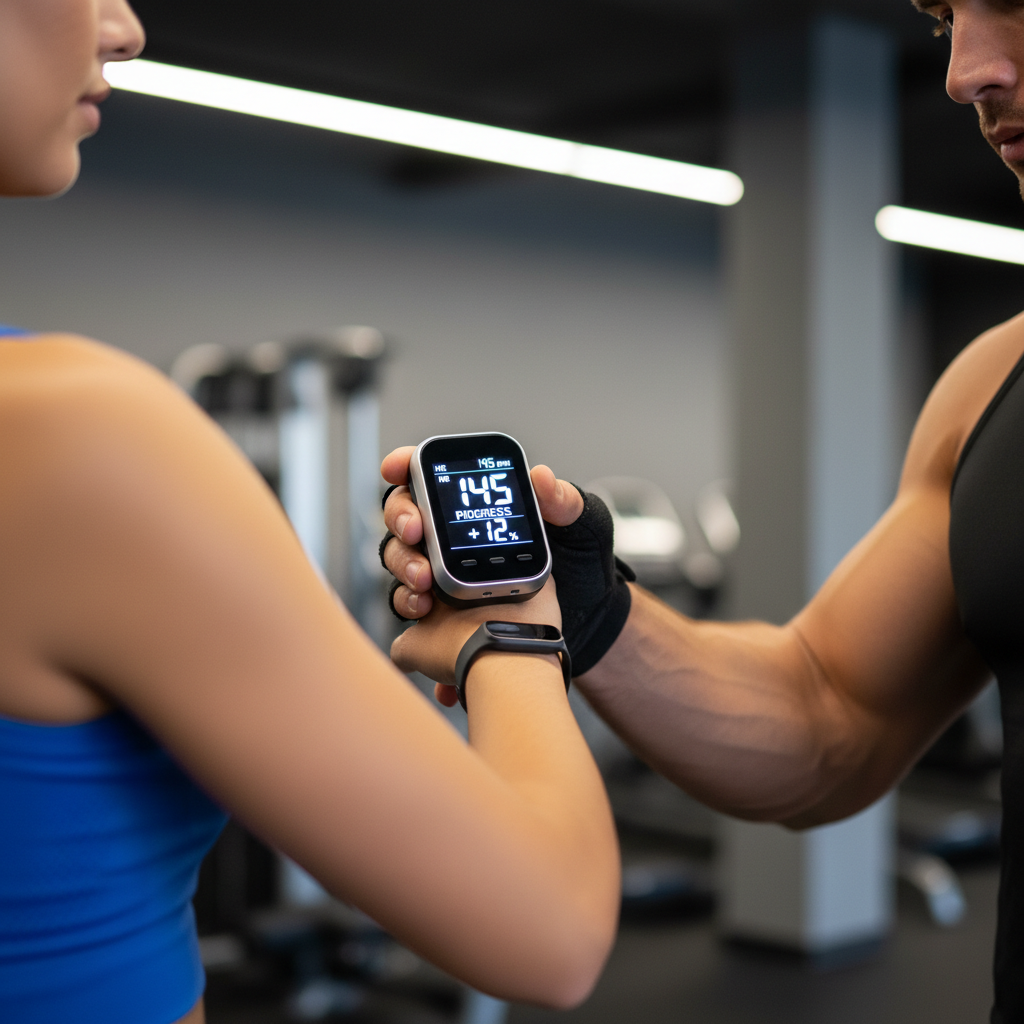
Most fitness trackers provide real-time heart rate data, making it easier to adjust your pace during a run. Over time, you'll learn how your body responds to different levels of exertion, allowing for more personalized and effective training strategies.
Incorporating Feedback for Continuous Improvement
Data-driven feedback is essential for continuous improvement. After analyzing your running data, incorporate the findings into your training plan. This might mean adjusting your weekly mileage, incorporating rest days, or focusing on strength training to address weaknesses.
Feedback isn't just about physical performance. It also involves mental aspects such as motivation and focus. Reflect on how you felt during runs and use this information to adjust your mental strategies. This holistic approach ensures that both your body and mind are prepared for challenges.
Leveraging Technology for Better Insights
Today’s technology offers advanced features like GPS tracking, performance analytics, and virtual coaching. These tools can provide deeper insights into your running habits and help tailor your training plan. Consider using apps that offer personalized coaching, which can adapt your plan based on the data collected from your runs.
Remember, the key to enhancing your running performance through data is consistent monitoring and adaptation. As you become more familiar with interpreting your data, you’ll find new ways to push your limits and achieve your running goals.