
Personalized Fitness Plans: A Step-by-Step Guide to Success


Embarking on a fitness journey can be both exciting and daunting. With countless workout plans and diet regimes available, finding the right approach tailored to your needs is crucial. A personalized fitness plan can be your key to achieving long-term success by catering to your unique goals, lifestyle, and body type.
Understanding Your Goals
Before diving into any fitness regime, it’s essential to define what you want to achieve. Are you aiming to lose weight, gain muscle, improve endurance, or maintain overall health? Identifying your primary goals will help shape your personalized plan.
Once you have clarity on your objectives, consider secondary goals. These might include improving flexibility, enhancing mental well-being, or preparing for a specific event. Having a well-rounded understanding of your goals allows for a more comprehensive fitness plan.

Assessing Your Current Fitness Level
To create a plan that works, you need to know where you’re starting from. Assessing your current fitness level involves evaluating your strength, endurance, flexibility, and body composition. This can be done through various tests or by consulting a fitness professional.
Being honest about your current abilities will help prevent injuries and ensure gradual progress. It also provides a benchmark to measure improvements over time, keeping you motivated on your journey.
Designing Your Personalized Plan
With clear goals and a solid understanding of your current fitness level, it's time to design your plan. A balanced approach typically includes a mix of cardiovascular exercises, strength training, flexibility work, and rest days. Tailor each component to fit your goals and preferences.

Cardiovascular Exercises
Cardio exercises are essential for heart health and calorie burning. Choose activities you enjoy, whether it’s running, cycling, swimming, or dancing. Aim for at least 150 minutes of moderate-intensity cardio per week, adjusting as needed based on your goals.
Strength Training
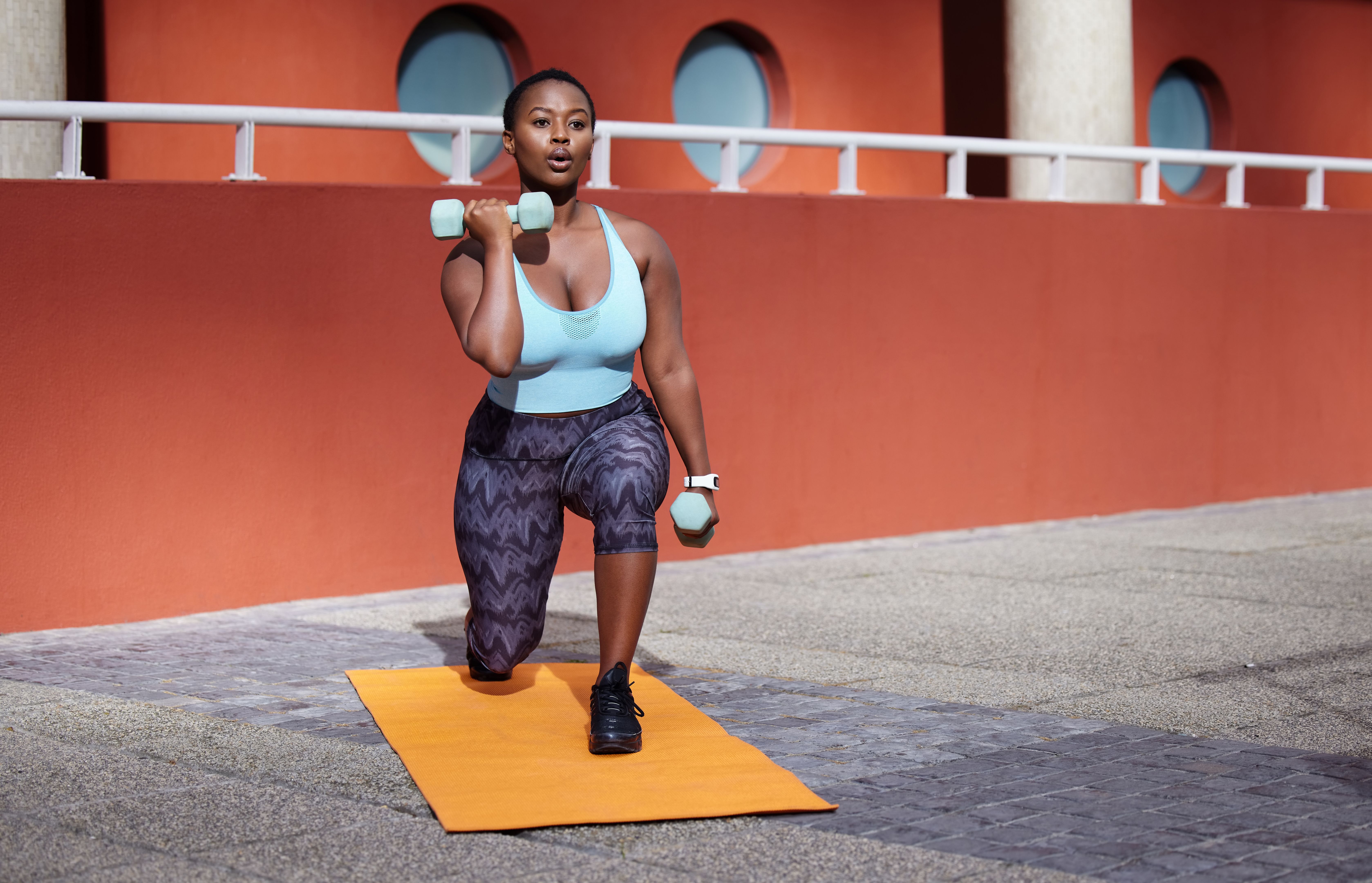
Building muscle is key for improving metabolism and overall strength. Incorporate exercises that target all major muscle groups, using free weights, machines, or bodyweight exercises. Start with 2-3 sessions per week, gradually increasing intensity and volume.
Nutrition and Recovery
A successful fitness plan extends beyond workouts. Nutrition plays a critical role in achieving your goals. Focus on a balanced diet rich in proteins, healthy fats, and carbohydrates. Consider consulting a nutritionist to tailor your diet to your fitness plan.
Equally important is recovery. Ensure you get enough sleep and rest days to allow your body to repair and grow stronger. Listen to your body and make adjustments as needed.
Tracking Progress and Making Adjustments
Regularly monitoring your progress helps keep you motivated and on track. Use tools like fitness apps, journals, or wearable technology to track workouts, nutrition, and progress towards your goals.

Be prepared to make adjustments to your plan. As your fitness level improves, you may need to increase intensity or change exercises to continue progressing. Stay flexible and adapt your plan to ensure ongoing success.