
Preparing for a Triathlon: Essential Tips and Mistakes to Avoid


Setting Clear Goals
Preparing for a triathlon starts with setting clear and realistic goals. Decide whether you aim to simply finish the race or achieve a specific time. This will help shape your training plan and keep you motivated throughout the preparation period.
It's crucial to understand your current fitness level and how much time you can dedicate to training. Be honest with yourself to avoid burnout or injury. Setting achievable milestones along the way can help maintain your enthusiasm and track your progress.
Creating a Training Plan
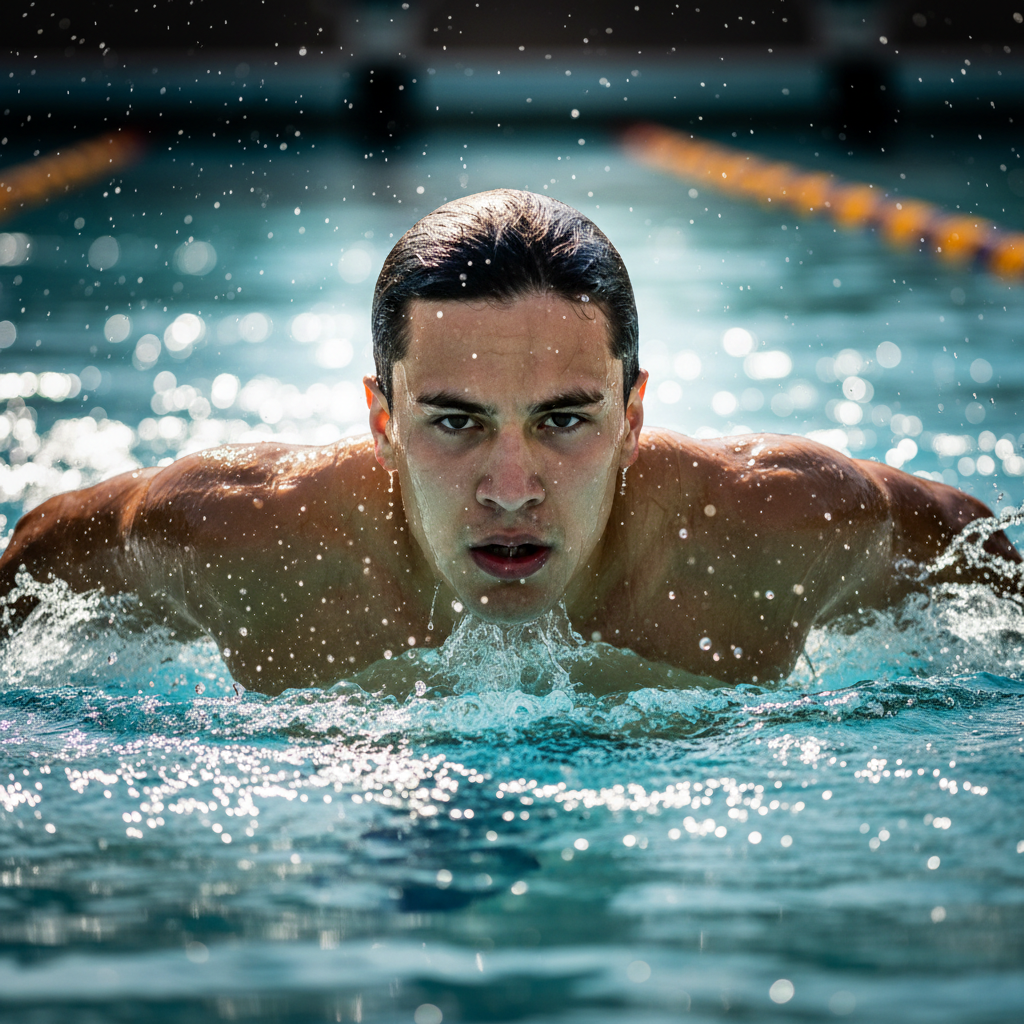
A well-structured training plan is essential for triathlon success. Incorporate a balanced mix of swimming, cycling, and running sessions. Ensure you include rest days to allow your body to recover and adapt to the training load.
Consider hiring a coach or using online resources to guide your training. They can offer personalized advice and adjust your plan as needed. Remember, consistency is key, so aim to stick to your schedule as much as possible.
Strength and Flexibility
In addition to cardiovascular training, include strength and flexibility exercises in your routine. Strength training helps improve endurance, while flexibility exercises reduce the risk of injury. This holistic approach will enhance your overall performance.
Nutritional Considerations
Nutrition plays a vital role in your triathlon preparation. Focus on a balanced diet rich in carbohydrates, proteins, and healthy fats. Hydration is equally important, so ensure you drink enough water throughout the day.

Practice your race-day nutrition strategy during your training. This includes experimenting with different energy gels or snacks to find what works best for you. Avoid trying anything new on race day to prevent any digestive issues.
Avoiding Common Mistakes
One common mistake is neglecting rest and recovery. Overtraining can lead to injury and burnout, so listen to your body and allow adequate recovery time. Skipping rest days can be detrimental to your progress.
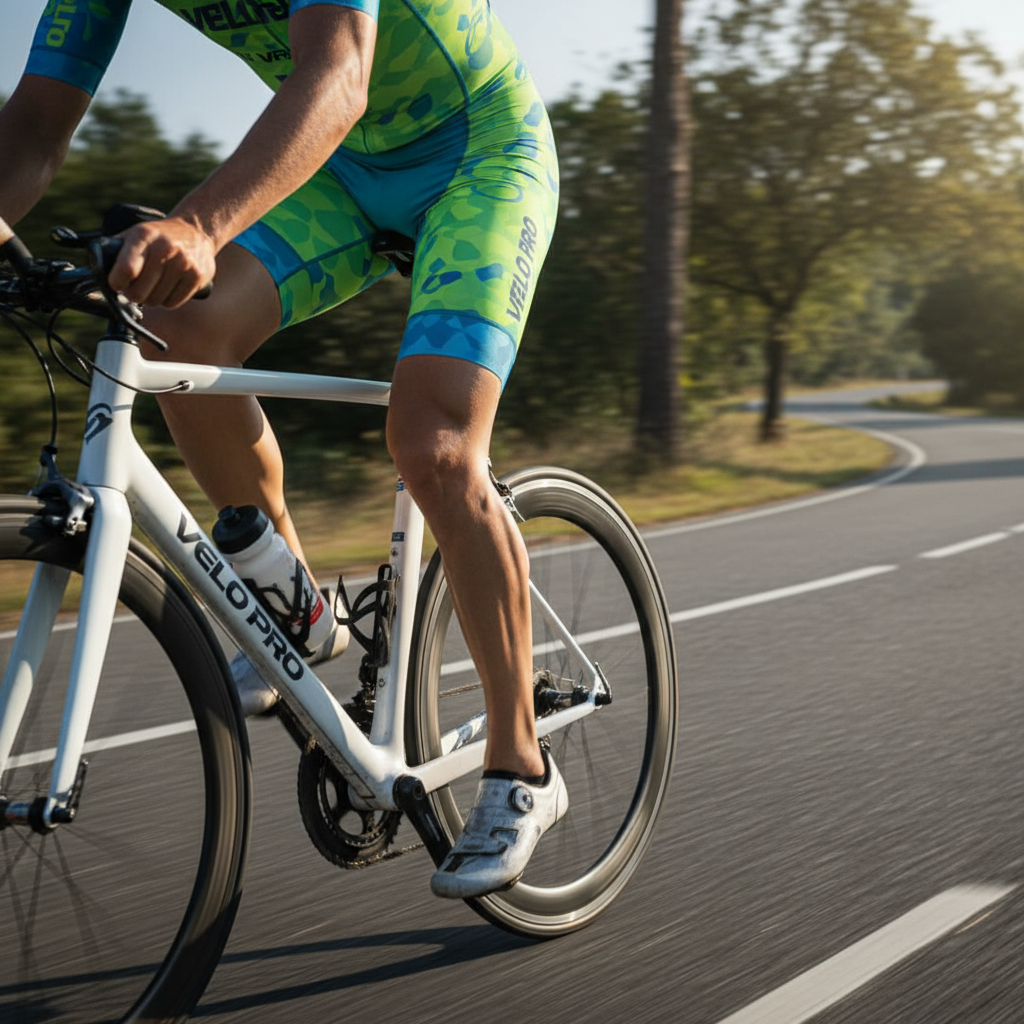
Another mistake is not rehearsing transitions. Practice the switch between swimming, cycling, and running to make them as smooth as possible. This can greatly improve your overall race time and efficiency.
Mental Preparation
Mental preparation is as important as physical training. Visualization techniques can help you anticipate the race and boost your confidence. Picture yourself successfully completing each segment of the triathlon.
Stay positive and focus on your progress rather than comparing yourself to others. Building mental resilience will help you overcome challenges during the race and keep your motivation high.
Final Preparations
As race day approaches, ensure all your gear is in top condition. Check your bike, wetsuit, and running shoes for any issues. Pack your race-day essentials well in advance to avoid last-minute stress.
Get a good night's sleep before the race and maintain a calm mindset. Arrive early on race day to familiarize yourself with the course and settle any nerves.

With careful planning and dedication, you can successfully prepare for a triathlon and enjoy the rewarding experience it offers. Remember, the journey is just as important as the destination.