
The Science of Endurance: How Vo2 Performance Elevates Athlete Potential


Understanding VO2 Max
At the heart of endurance performance lies the concept of VO2 max, a critical measure of aerobic capacity. VO2 max represents the maximum amount of oxygen an athlete can utilize during intense exercise. This measurement is crucial because it reflects the physical capability to sustain prolonged activity and is often a predictor of athletic performance.
Endurance athletes, such as marathon runners and cyclists, typically have high VO2 max levels. This allows them to perform at a high intensity for extended periods. Improving VO2 max can significantly enhance athletic potential, making it a key focus in training regimens.
The Science Behind VO2 Max
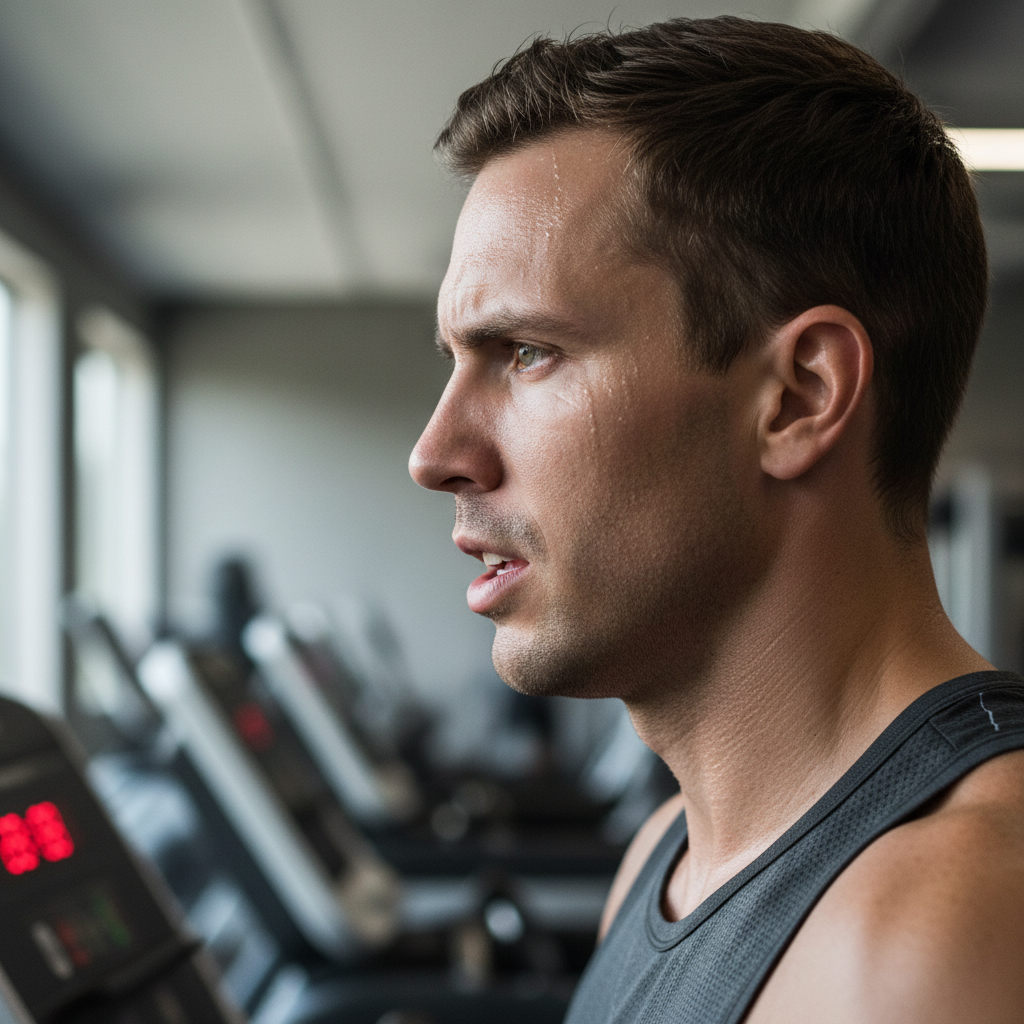
VO2 max is influenced by several physiological factors. These include lung capacity, cardiac output, and the efficiency of muscle cells in utilizing oxygen. Genetics play a significant role, but training can also lead to substantial improvements.
Enhanced VO2 max is achieved through specific endurance training, which can increase the heart's stroke volume and improve mitochondrial density in muscles. As a result, athletes can maintain higher intensities without fatiguing quickly.
Training Techniques to Boost VO2 Max
Developing VO2 max involves a combination of high-intensity interval training (HIIT) and long, steady-state cardio workouts. HIIT sessions push the cardiovascular system to its limits, promoting adaptations that increase aerobic capacity.
- Interval Training: Alternating short bursts of high intensity with periods of rest or low activity.
- Long-Distance Runs: Sustained, moderate-intensity runs build endurance and improve oxygen utilization.

The Impact of Nutrition on VO2 Max
Nutrition plays a vital role in maximizing VO2 max. A balanced diet rich in carbohydrates, proteins, and healthy fats provides the necessary fuel for training and recovery. Hydration is also crucial, as dehydration can negatively impact performance and VO2 max levels.
Supplementation with nutrients such as iron and nitrates has shown promise in supporting oxygen transport and utilization, further enhancing VO2 max.
Monitoring and Measuring VO2 Max
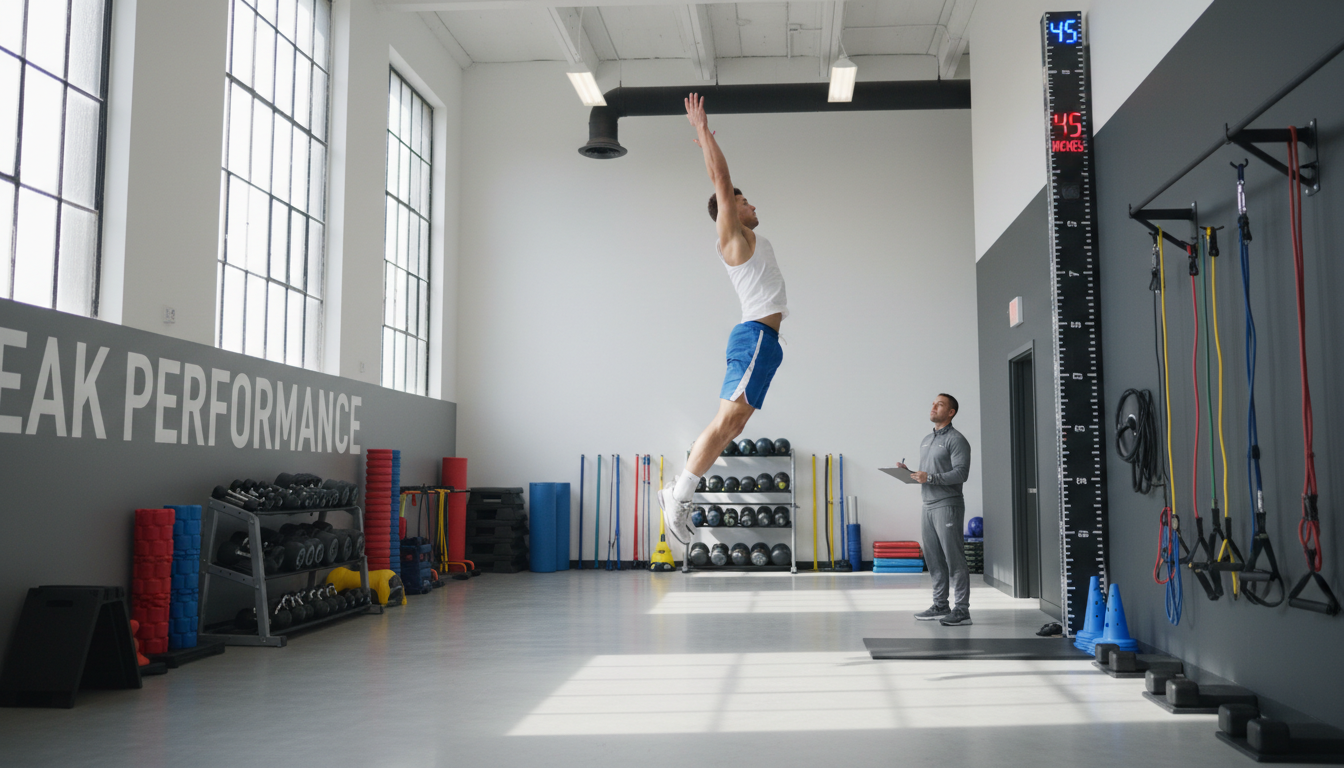
Regular assessment of VO2 max allows athletes to track their progress and adjust their training programs accordingly. This can be done through laboratory tests or field tests using wearable technology. Consistent monitoring helps in setting realistic goals and achieving peak performance.
Conclusion: Elevating Athlete Potential
Understanding and improving VO2 max is essential for athletes aiming to reach their full potential. By focusing on targeted training, proper nutrition, and regular monitoring, athletes can enhance their endurance and overall performance.
As the science of endurance continues to evolve, athletes equipped with knowledge about VO2 max are better positioned to push their limits and achieve new heights in their sports.